Political glossary
Political glossary
Hello, my name is Éléonore. I have been in international studies since September 2021. My topic is about politics because it is one of the main subjects in my program. This glossary will help me to understand political terms. Sometimes my teacher gives us English text to read, and I found it very hard sometimes to understand them. To find the words I simply used Google and Wikipedia. I also think that this glossary will help me a lot for next year since I'm going to university in law
- Ballot
- noun
- A ballot is a document used to record the choices made by those entitled to vote.
- Example: Scargill hoped for a "domino effect", to be promoted if necessary by the type of mass picketing which had been perfected a decade earlier, and the National Executive supported him; only three members voted for a proposal that the demand for a national strike be put to a national BALLOT.
- fr: Scrutin

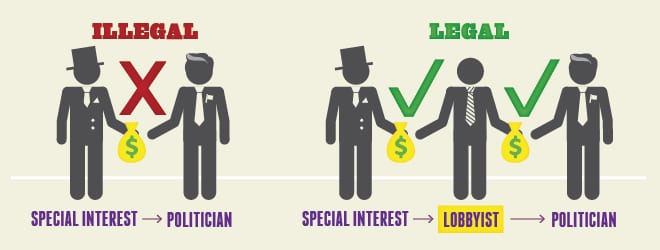
- Lobbyist
- Noun
- A person who takes part in an organized attempt to influence legislators.
- Example: LOBBYING efforts from the local (predominantly African - American) activist population secured a large Urban Development Action Grant (UDAG) in 1979 which the Pittsburgh Urban Renewal Authority (URA) used as a springboard to launch a broader improvement programme in the North Side.
- fr: lobbyiste
- Bailiff
- Noun
- An official in a court of law who keeps order, looks after prisoners, etc.
- Example: In each village and manor local men filled such offices as BAILIFF, and the holders of these positions were presumably the more articulate members of the community - inglorious the peasants may have been, but there is no need to regard this as synonymous with mute.
- fr: Huissier

- Case-law
- noun
- The law as established by the outcome of former cases.
- Example: The use of citizenship is indeed rather narrow as can be inferred from CASE-LAW and certain provisions.
- fr: jurisprudence
- Legislature
- noun
- Period during which a legislative assembly exercises its powers.
- Example: Domestic factors emphasizing the electoral calculations of political leaders or the ratification procedure of the member country LEGISLATURE (Milner 1997, 214) shaped one of important trends.
- fr: corps législatif
- Filibustering
- verb
- Act in an obstructive manner in a legislature, especially by speaking at inordinate length.
- Example: She has filibustered against a budget that would have cut school funding.
- fr: obstruction
- Plenary sitting
- phrase
- A plenary session or plenum is a session of a conference which all members of all parties are to attend. Such a session may include a broad range of content.
- Example: The citizens of the city must attend the plenary sitting obligatorily every Thursday.
- fr: séance plénière

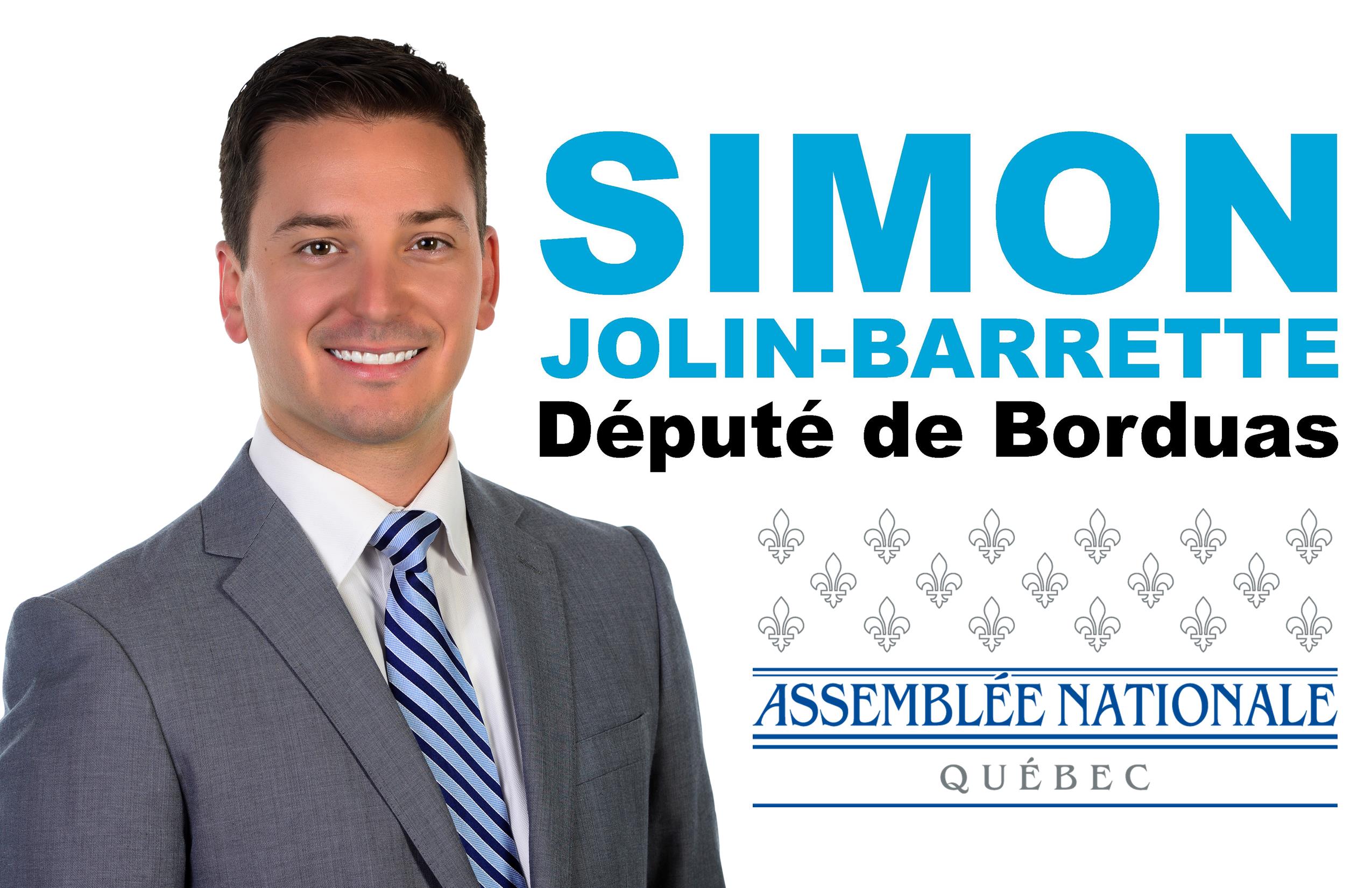
- Deputy
- noun
- A parliamentary representative in certain countries.
- Example: Also, there were no DEPUTY aldermen or links between the overworked justices of the peace and the constables, meaning there was a serious lack of organisation and authority in areas that the city of London held strength in.
- fr: député
- Spin doctor
- noun
- A spokesperson employed to give a favorable interpretation of events to the media, especially on behalf of a political party.
- Example: A spin doctor is a political communication and marketing adviser acting on behalf of a political personality, most often during election campaigns.
- fr: Un conseiller en communication.
/pic2654070.png)
- Backbencher
- noun
- (in the UK) a Member of Parliament who does not hold office in the government or opposition and who sits behind the front benches in the House of Commons.
- Example: The advantage of being a backbencher is that you can speak your mind.
- fr: député d'arrière-ban

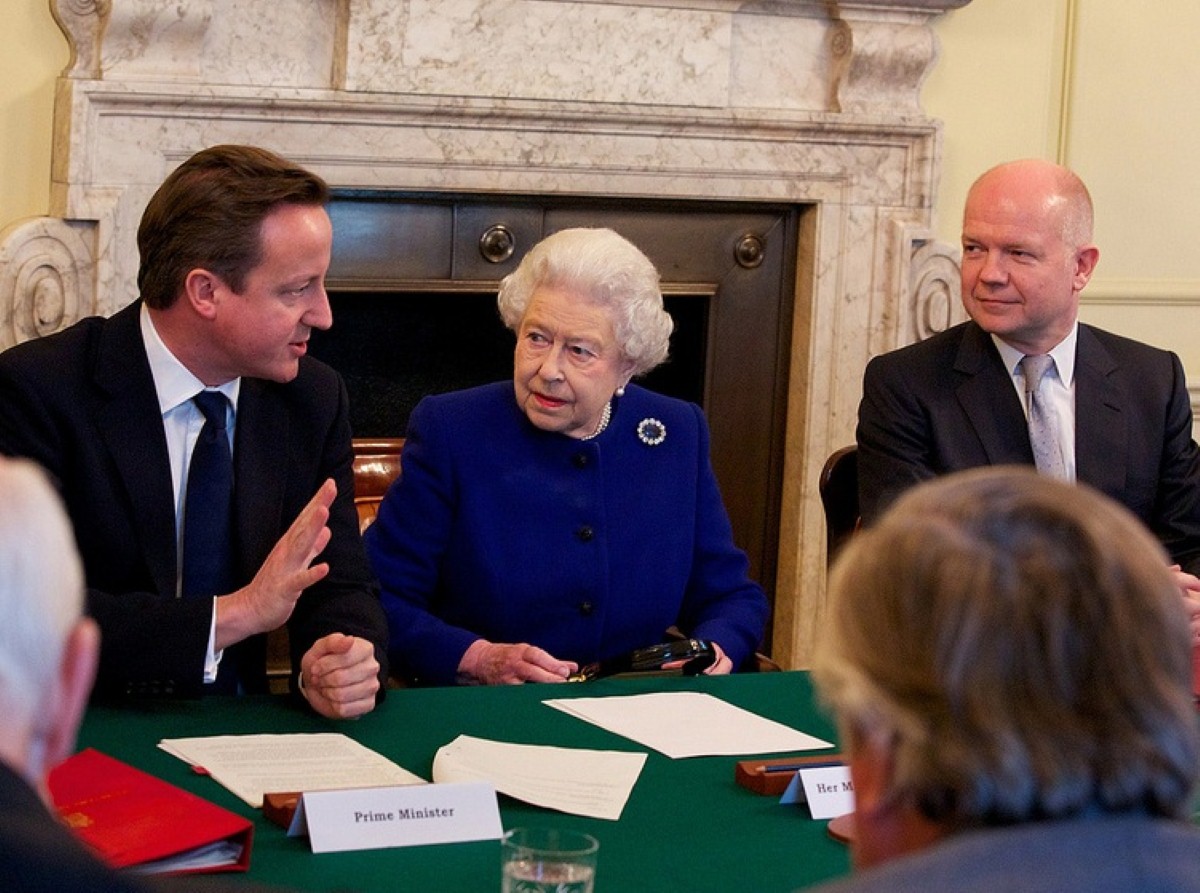
- Privy Councillor
- noun
- In the UK, one of a group of people of high rank in politics who sometimes advise the king or queen but who have little power.
- Example: It is thought that the work may have been presented to the Queen by her Privy Councillor.
- fr: Conseiller privé
- Alderman
- noun
- An elected member of a municipal council.
- Example: This could perhaps be attributed to the ALDERMAN's orders that if apprentice riots broke out, curfews would be emplaced and masters would have to answer for the apprentice's behaviour, which would have encouraged the masters to treat their apprentice well.
- fr: conseiller
- Prefecture
- Noun
- A political region or local government area in some countries, for example Japan, France, and Italy.
- Example: Rural prefectures need more money per capita to provide the same service level as urban ones, since they have to improve their living infrastructure.
- fr: Préfecture
- Chancellor of the Exchequer
- noun
- The finance minister of the United Kingdom, responsible for preparing the nation's annual budgets.
- Example: Chancellor of the Exchequer need to speak to the prime minister.
- fr: Ministère des Finances
- Left-wing
- Noun
- he liberal, socialist, or radical section of a political party or system.
- Example: Later that year, the balance of power shifted further in favour of the Soviet Union, by the failing Warsaw uprising, which meant 'the end of the independent Polish LEFT-WING alternative to the Communists'.
- fr: De gauche
- Affidavit
- noun
- A statement that someone makes under oath and swears to be true.
- Example: Normally a single judge hears this first stage on AFFIDAVIT evidence.
- fr: Déclaration sous serment
- Legal subpoena
- A legal document ordering someone to appear in a court of law or to produce documents.
- Example: As a witness, you are required to attend at court to testify in the judicial application specified in this subpoena.
- fr: assignation à comparaître

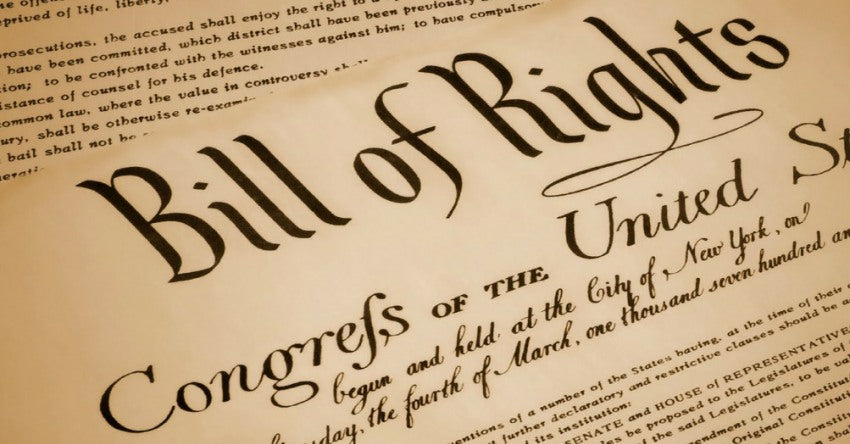
- Bill
- Noun
- A draft of a proposed law presented to parliament for discussion.
- Example: A debate over the civil rights bill.
- fr: Projet de loi
- Polling booth
- Noun
- A compartment with one open side in which one voter at a time stands to mark their ballot paper; a voting booth.
- Example: We cannot expect voters to leave their conscience behind them when they go to the POLLING BOOTH.
- fr: Isoloir.

- Home Office
- noun
- The governmental department dealing with domestic matters, as elections, naturalization, and the control of police.
- Example: A HOME OFFICE report of 1981 on racial attacks estimated the rates of racially motivated incidents per 100,000 of the population at 1.4 for whites, 51.2 for West Indians and Africans, and 69.7 for Asians in a three - month period.
- fr: Ministère de l'Intérieur.

Comments
Post a Comment